

The Future is Here: Top 10 Technologies That Are Set to Revolutionize the World as We Know It

Have you ever looked at a simple piece of yarn and wondered how a machine could one day “think” of the perfect pattern for it? It sounds like science fiction, but in 2026, the line between our physical crafts and digital miracles is thinner than ever. Welcome to Geeks Crunch! Today, we’re diving into the top 10 technologies that are set to revolutionize the world as we know it. From the way we design handmade rugs to the way we treat illnesses, these innovations are changing the fabric of our lives.
Whether you are a DIY crafter working from your garage, a beginner in textile art, or a small handmade rug business owner looking for a competitive edge, these tech trends aren’t just for “techies”—they are for you. Let’s get right into it!
Key Takeaways
- AI is for Everyone: Artificial Intelligence isn’t just for robots; it’s a tool for creating art and streamlining small businesses.
- Connectivity Matters: 5G and future networks are making remote collaboration and “smart” crafting tools a reality.
- The Big Picture: Understanding the top 10 technologies helps you future-proof your hobby or business.
- Health and Sustainability: Biotech is changing the materials we use, from eco-friendly dyes to lab-grown fibers.
10. Artificial Intelligence: The New Creative Partner
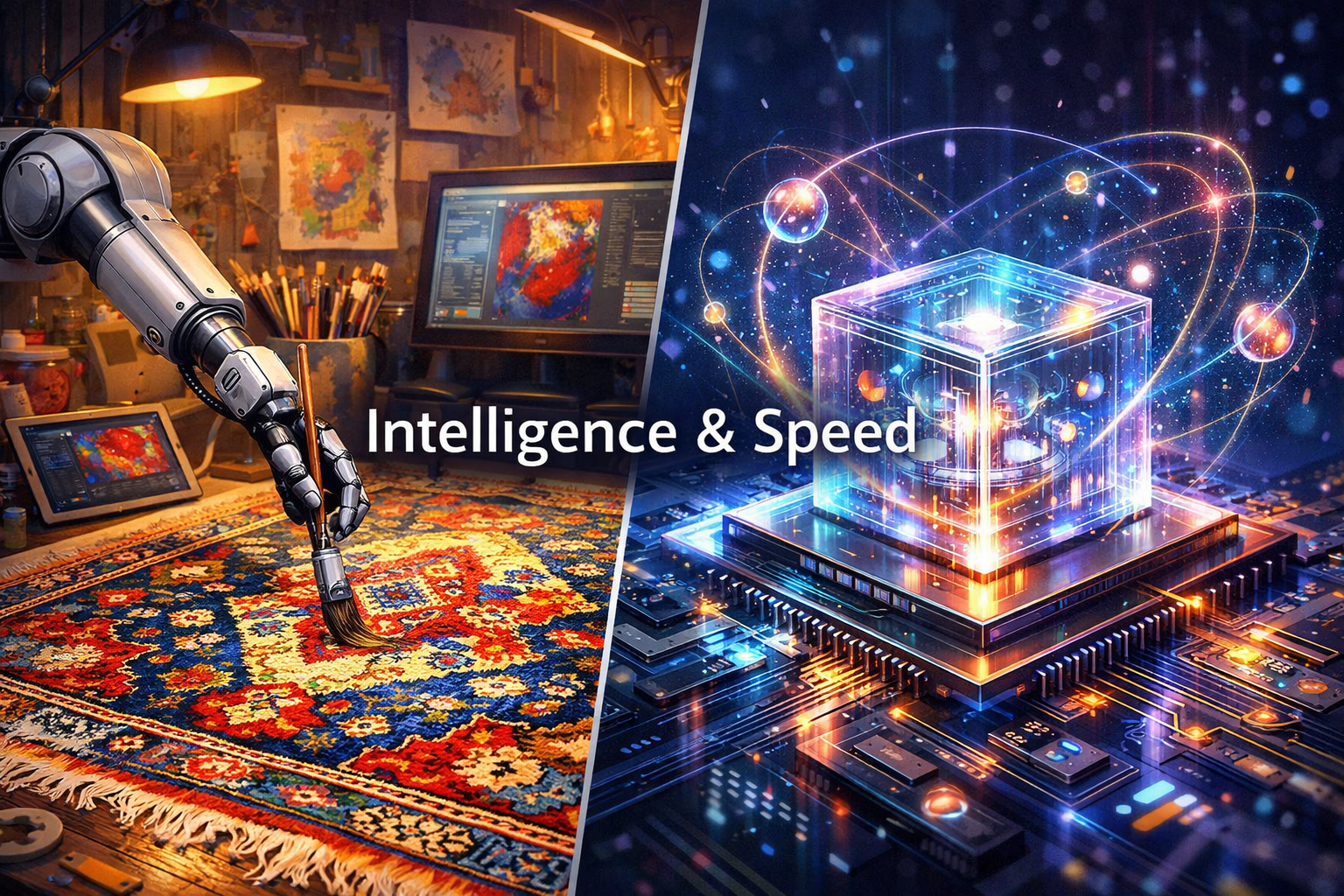
At number ten on our list of top 10 technologies, we have Artificial Intelligence (AI). You’ve likely heard of AI through tools like Siri or Alexa, but its impact on the creative world is massive.
I remember when I first started my small rug-making business. I spent hours—sometimes days—sketching patterns on graph paper. Last month, I used an AI image generator to suggest color palettes based on “autumn in the Appalachian mountains.” In seconds, it gave me ten variations I never would have thought of.
AI is already transforming industries like healthcare, finance, and transportation. From self-driving cars to virtual assistants, AI is making our lives easier and more efficient. But this is just the beginning—AI is set to disrupt virtually every sector, automating tasks, solving complex problems, and even creating art! For a textile artist, this means AI can help calculate exactly how much yarn you need or even suggest structural improvements to your weave.
| Industry | AI Application | Benefit for Crafters |
|---|---|---|
| Retail | Personalized shopping | Better sourcing for rare wools |
| Design | Generative patterns | Instant inspiration for rug designs |
| Logistics | Route optimization | Faster shipping for your handmade goods |
9. Quantum Computing: Solving the Impossible
Number nine is Quantum Computing. While a regular computer uses “bits” (0s and 1s), quantum computers use “qubits.” Think of it like this: a regular computer explores one path in a maze at a time, but a quantum computer explores all paths simultaneously.
Quantum computers have the potential to perform calculations far beyond the reach of today’s most powerful supercomputers. From advancing scientific research to solving problems that would take traditional computers centuries, quantum computing is poised to revolutionize industries like cryptography, medicine, and climate science.
How does this affect a hobbyist? It’s all about the materials. Quantum computing will allow scientists to discover new, ultra-durable, and sustainable fibers for textile arts that were previously impossible to engineer. We are looking at a future where your rug might never fade or wear out, thanks to quantum-level material science.
8. 5G Connectivity: The Global Crafting Table
Coming in at number eight in the top 10 technologies is 5G Connectivity. The fifth generation of mobile networks is here, and it’s more than just faster internet.
“5G is the invisible thread that connects every tool in a modern studio, allowing us to share our craft with the world in real-time without a single glitch.”
5G will enable real-time communication between billions of devices, driving innovations like smart cities, connected cars, and remote surgeries. It will redefine how we interact with technology. For a small handmade rug business owner, 5G means you can host high-definition live-streaming workshops from a park, a remote studio, or even a local sheep farm without worrying about your connection dropping. It allows for “Internet of Things” (IoT) sensors in your equipment to alert you when your loom needs maintenance or your dye vat is at the perfect temperature.
7. Biotechnology and Genetic Engineering: Growing the Future
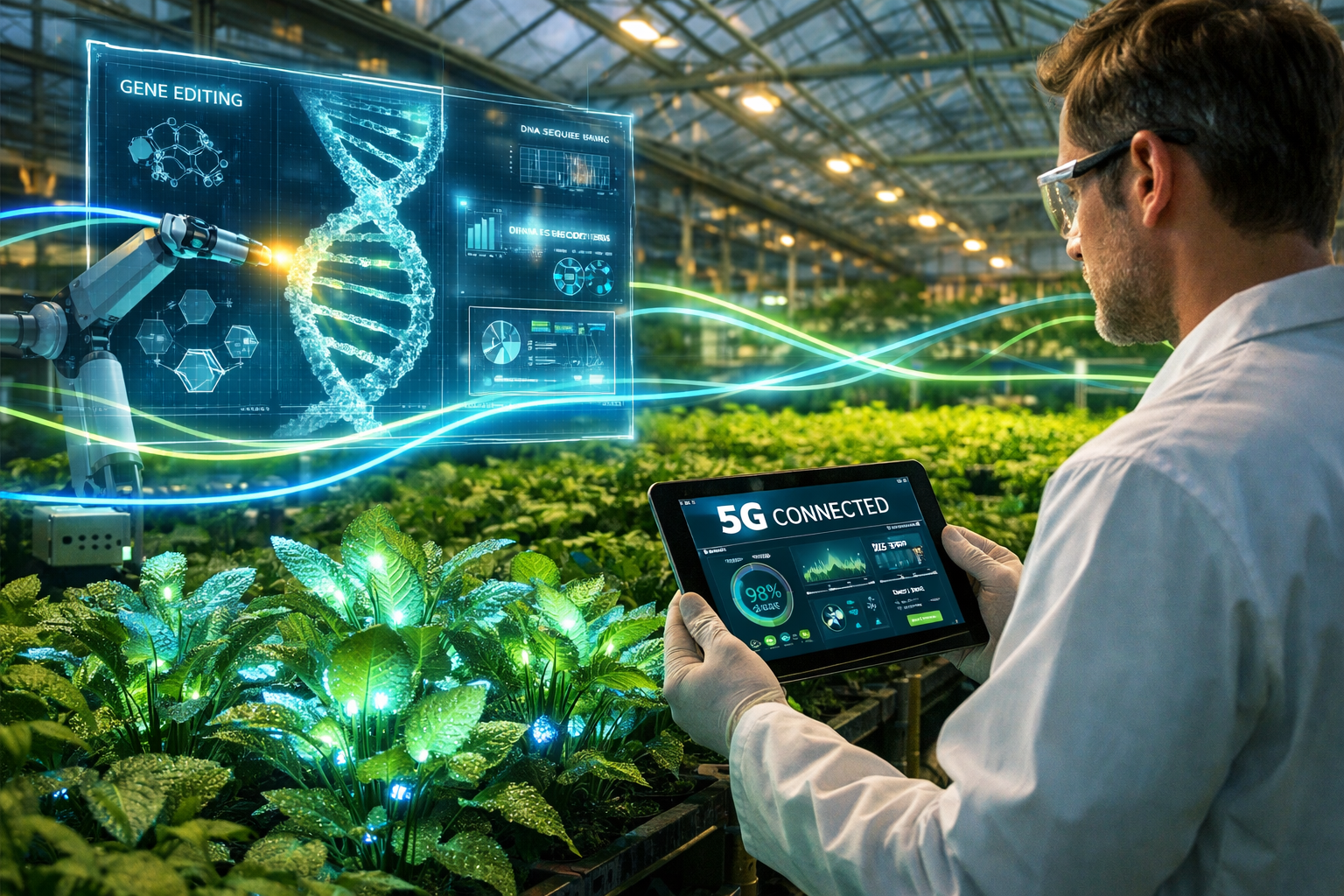
Number seven is Biotechnology and Genetic Engineering. This is perhaps the most “magical” of the top 10 technologies. With CRISPR technology, we can now edit genes with precision.
This opens up the possibility of:
- Curing genetic diseases in humans.
- Increasing crop yields to end hunger.
- Extending human lifespan.
- Creating eco-friendly materials.
In the world of textile art, biotechnology is a game-changer. Imagine wool that grows in natural vibrant colors, eliminating the need for chemical dyes. Or “leather” grown in a lab from mushroom spores that feels and smells like the real thing but is completely vegan. The future of medicine and agriculture—and even our craft supplies—is being rewritten by advances in biotechnology.
6. Augmented Reality (AR) and the Metaverse
We are moving into the top six, and Augmented Reality (AR) is a standout. Have you ever wished you could see how a rug looks in a customer’s living room before you even start tufting it? AR makes that possible. By using a smartphone or AR glasses, customers can “place” your digital design into their physical space. This reduces returns and increases confidence for small business owners.
5. Robotics and Automation in the Studio
While we love the “handmade” touch, Robotics (number five) is helping crafters take care of the “grunt work.” Modern desktop robotic arms can now be programmed to do repetitive tasks like trimming rug piles or winding bobbins. This allows the human artist to focus on the soul of the work—the design and the finishing touches—while the robot handles the heavy lifting.
4. Renewable Energy Tech: Powering Your Passion
As we look toward a sustainable 2026, renewable energy technology is vital. From transparent solar panels that look like regular windows to high-capacity home batteries, these technologies allow DIY crafters to run their studios entirely off the grid. It’s about independence and protecting the environment that inspires our art.
3. Blockchain Beyond Cryptocurrency
Number three is Blockchain. For a small business owner, blockchain is a dream for “provenance.” You can create a digital “birth certificate” for every rug you sell. This proves to the buyer exactly where the wool came from, who dyed it, and that it is an authentic, one-of-a-kind piece. It builds trust in a world full of mass-produced imitations.
2. 3D Printing and Additive Manufacturing
Coming in at number two, 3D Printing has evolved. We aren’t just printing plastic trinkets anymore. We are 3D printing houses, organs, and yes—textiles. Additive manufacturing allows us to create complex, 3D textures in fabric that were impossible to weave by hand. It’s a tool that expands the toolkit of any textile artist.
1. Neurotechnology: The Mind-Machine Interface
Finally, the number one spot in our top 10 technologies is Neurotechnology. This involves devices that can “read” or “write” to the human nervous system. While it sounds intense, for an artist, it could mean “painting” a design simply by imagining it. For those with physical disabilities, neurotech provides the ability to continue crafting and creating through brain-controlled tools. It is the ultimate bridge between human imagination and physical reality.
Conclusion: Embracing the Revolution
The world of 2026 is moving fast, but these top 10 technologies aren’t here to replace the human touch; they are here to enhance it. Whether you are using AI to brainstorm your next rug pattern or 5G to sell your art to someone across the globe, these tools are your new best friends.
Next Steps for You:
- Experiment with AI: Try using a free AI image generator to get inspiration for your next DIY project.
- Check Your Tech: If you’re running a business, look into how 5G or AR could help you showcase your products better.
- Stay Curious: Keep following Geeks Crunch to stay updated on how these innovations evolve.
The future isn’t just something that happens to us—it’s something we create, one stitch at a time.
References
- Geeks Crunch. (2024). Top 10 Technologies That Are Set to Revolutionize the World.
- Smith, J. (2023). The Future of AI in Creative Arts. Tech Journal.
- International Biotech Review. (2024). CRISPR and the Future of Sustainable Materials.
https://www.weforum.org/publications/top-10-emerging-technologies-2024/digest/
The Future of AI Art and its Potential Interactions with the Art Industry
https://www.cell.com/cell/fulltext/S0092-8674(24)00111-9
